
Nūr Health’s digital wellness platform had strong clinical tools but weak patient engagement — users completed intake assessments and then vanished. By modeling patient behavior as a systems architecture and introducing streak and milestone mechanics drawn from game design, we doubled the rate at which patients returned for weekly check-ins.
The Challenge
Nūr Health served patients managing chronic conditions — diabetes, hypertension, and metabolic syndrome. The platform’s clinical value depended on continuous data: weekly symptom logs, medication adherence records, and mood check-ins. But only 22% of enrolled patients completed a check-in in any given week, and the number declined steadily after the first month.
The care team had tried reminder notifications, but patients reported “notification fatigue” — a predictable balancing loop where more reminders produced more dismissals, eventually training patients to ignore the platform entirely. The clinical team needed engagement, but couldn’t afford to erode trust.
Systems Mapping
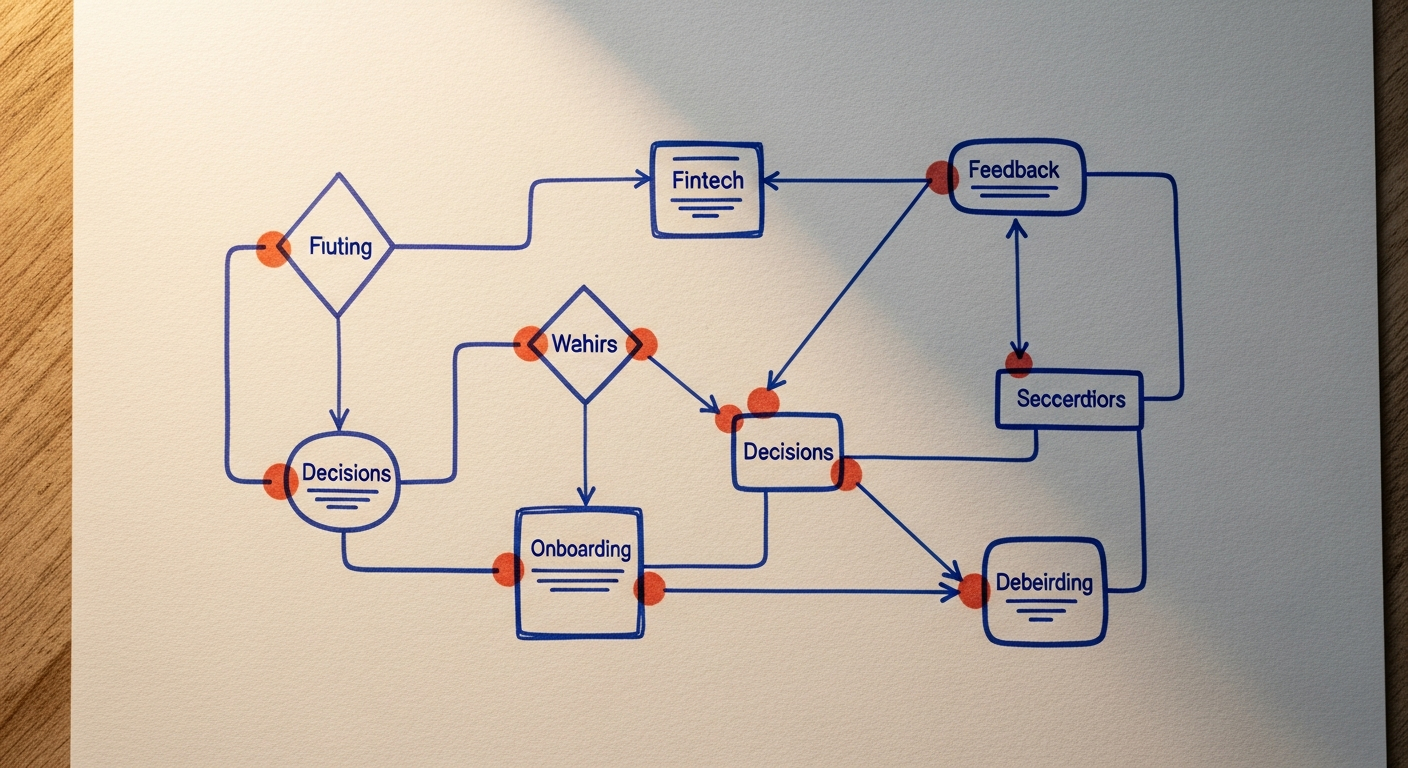
I mapped the patient engagement ecosystem as a stock-and-flow model. The “stock” was patient motivation — a finite resource that depleted with every friction point (long forms, unclear value, delayed clinician response) and replenished with every reinforcement (visible health trend, clinician acknowledgment, personal milestone). The existing platform drained the stock faster than it replenished it.
Three critical leverage points emerged from the model: the delay between patient input and clinician response (a stock drain), the absence of self-directed health insights (a missing reinforcement), and the binary nature of engagement — you either completed the full weekly check-in or you didn’t, with no credit for partial effort.
Interventions
Streak Mechanics
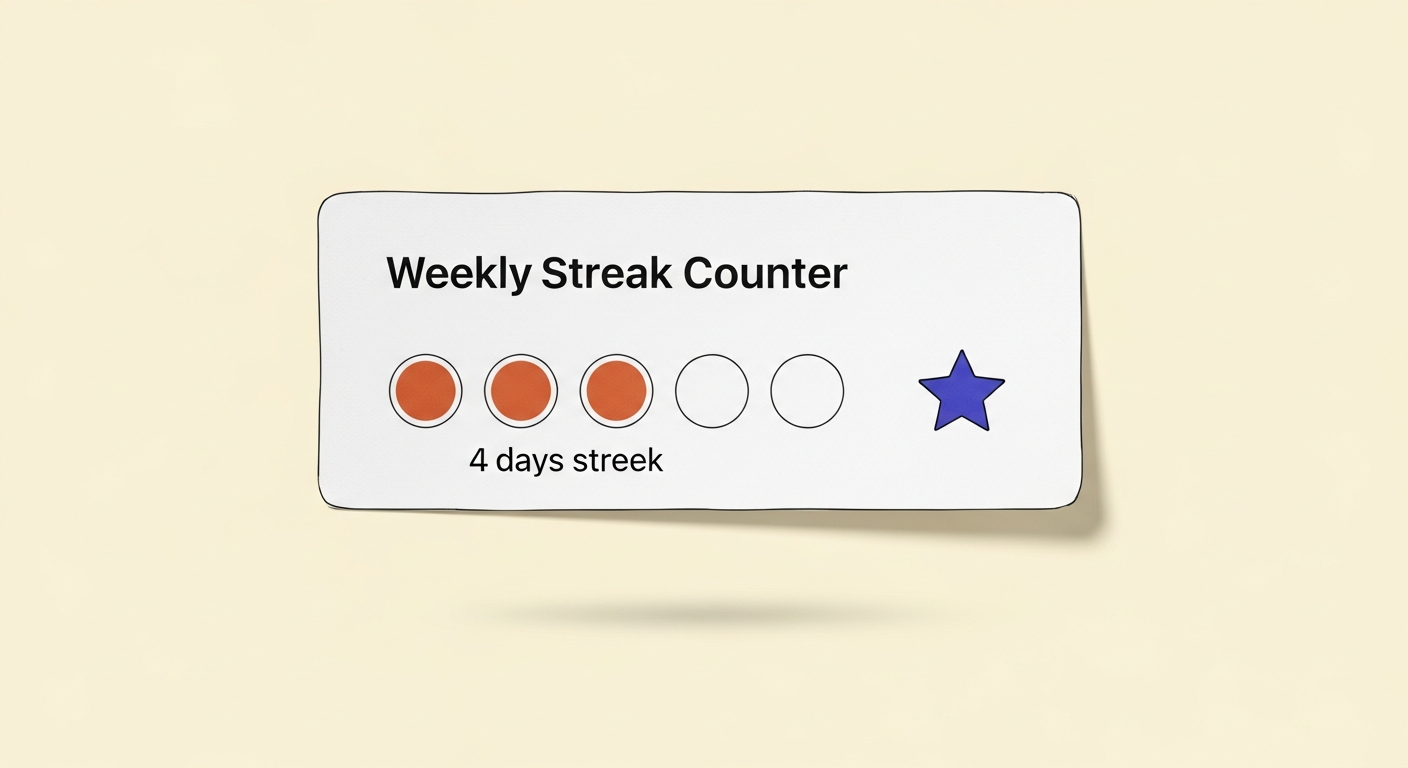
We introduced a gentle streak counter that tracked consecutive weeks of check-in completion. Unlike aggressive streak models that punish a single miss, ours offered a “grace window” — patients could complete a check-in up to 48 hours late and preserve the streak. This respected the reality of chronic illness while still creating a reinforcing loop.
Milestone Rewards
At four, eight, and twelve consecutive check-ins, patients unlocked personal health insights — a trend visualization of their symptom patterns over time. These milestones weren’t arbitrary badges; they delivered genuine clinical value that patients couldn’t access any other way, aligning the gamification layer with the platform’s core mission.
The Outcome
Weekly check-in completion rose from 22% to 44% within ten weeks — a full doubling. Notification volume was reduced by 35% because the streak mechanic made proactive check-ins the norm. Clinicians reported richer longitudinal data for treatment decisions, and patient satisfaction scores on the platform climbed from 3.2 to 4.1 out of 5.
In health, gamification has to earn its place. Every mechanic must deliver clinical value, not just engagement metrics. If the patient doesn’t get healthier, the system failed — no matter how many streaks they completed.
Amin Ebrahimi
Leave a Reply